
Search
7 results for "face plate"
Shop by Category
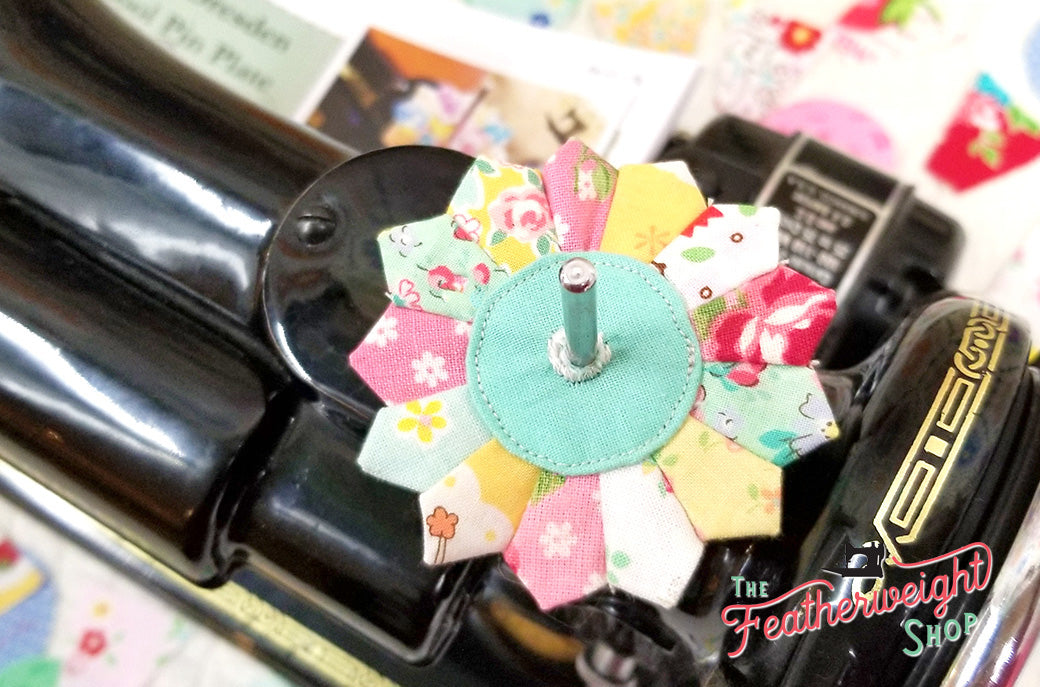
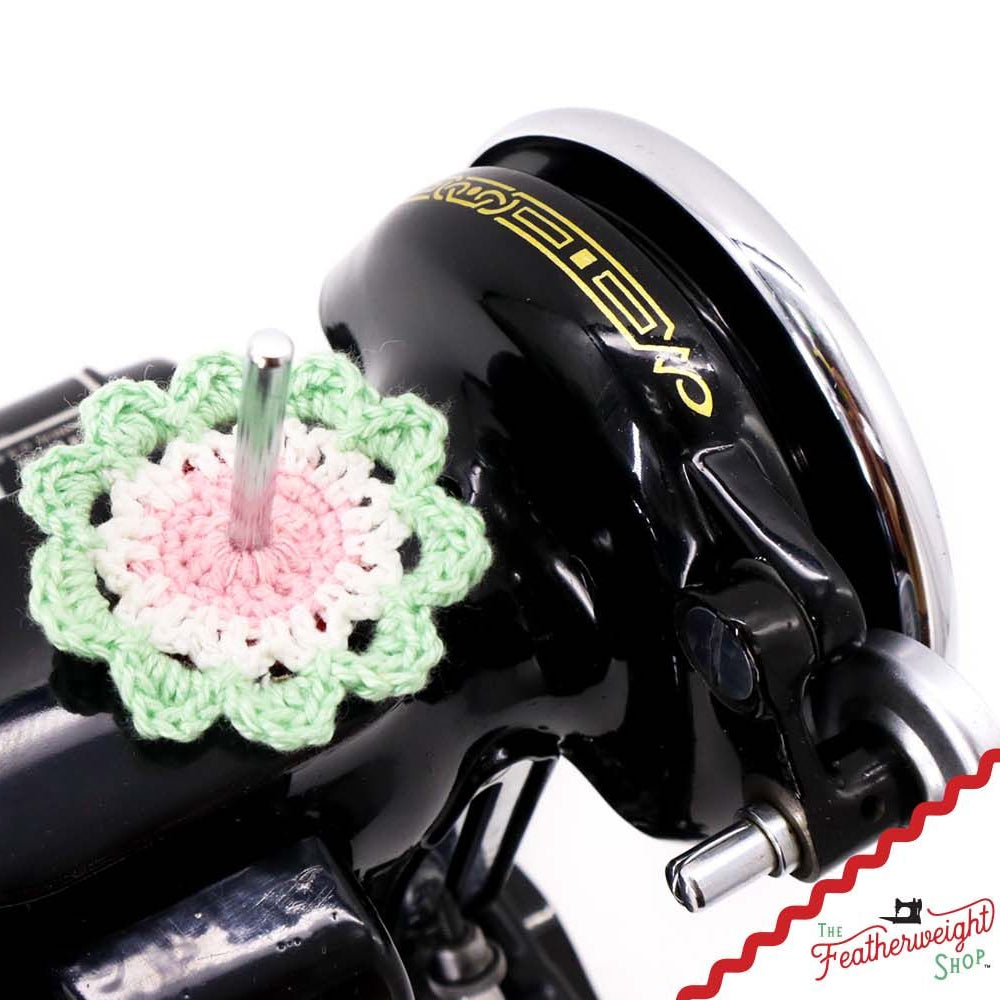
Spool Pin Doily - Tricolor Flower
Sale price$ 7.95
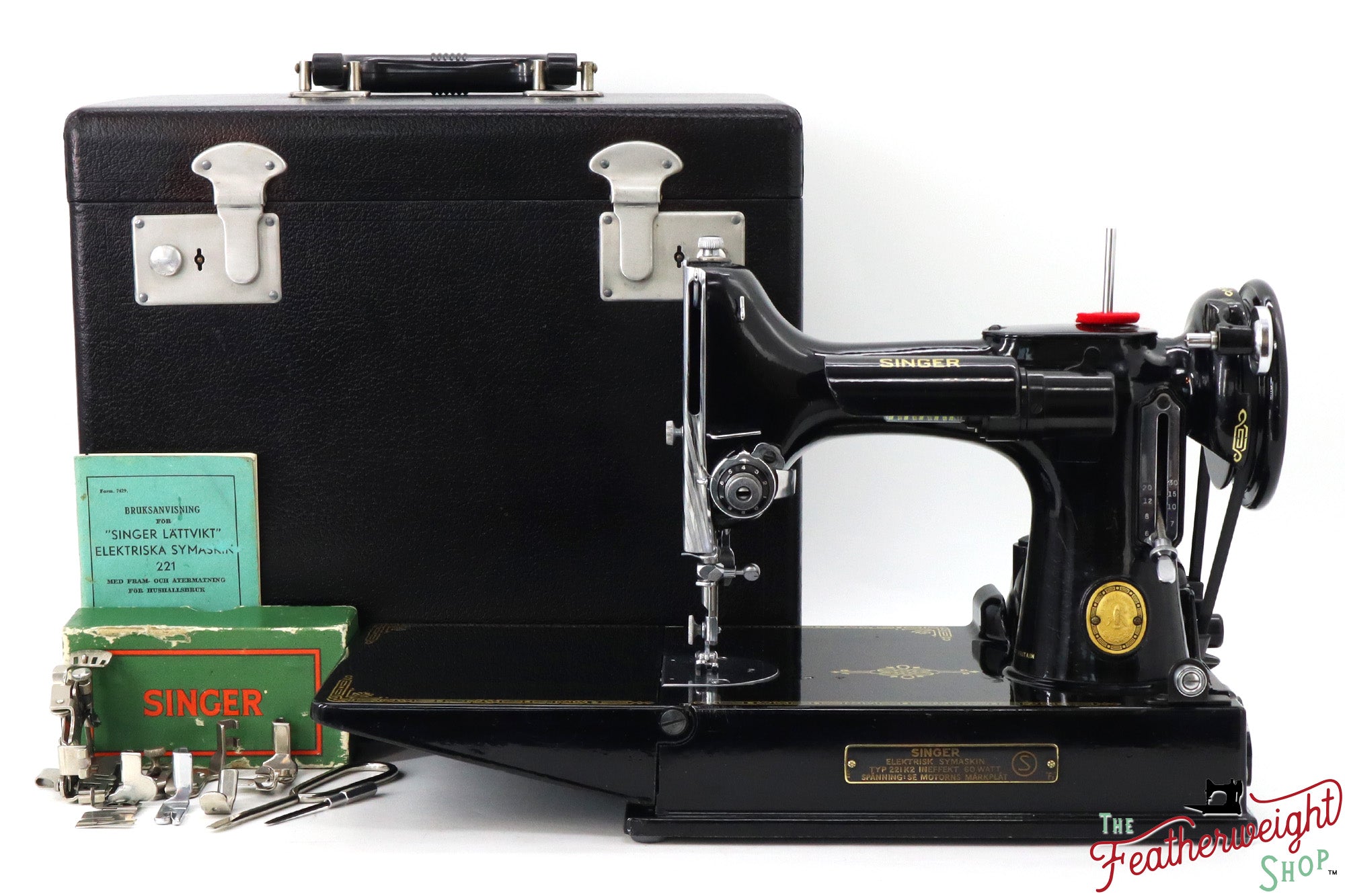
Singer Featherweight Swedish 221K Sewing Machine, EH00554*
Sale price$ 1,524.95
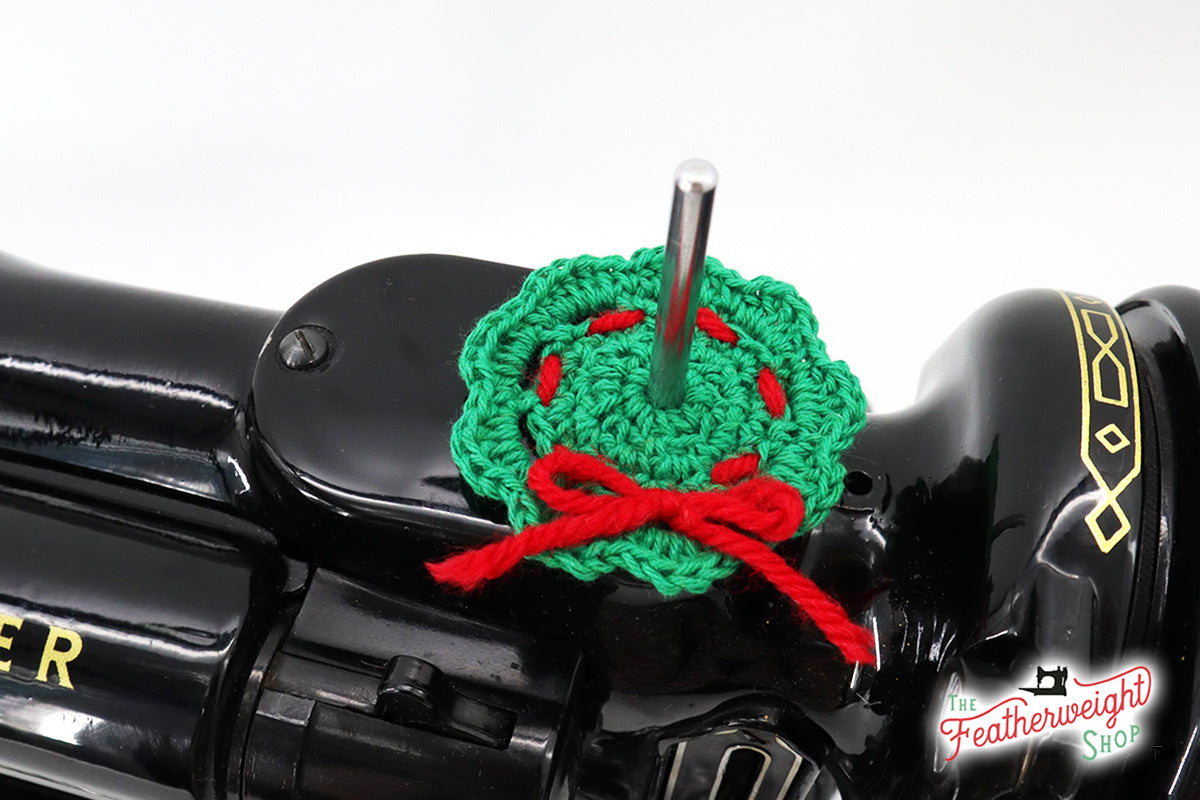
Spool Pin Doily - Christmas Wreath
Sale price$ 7.95
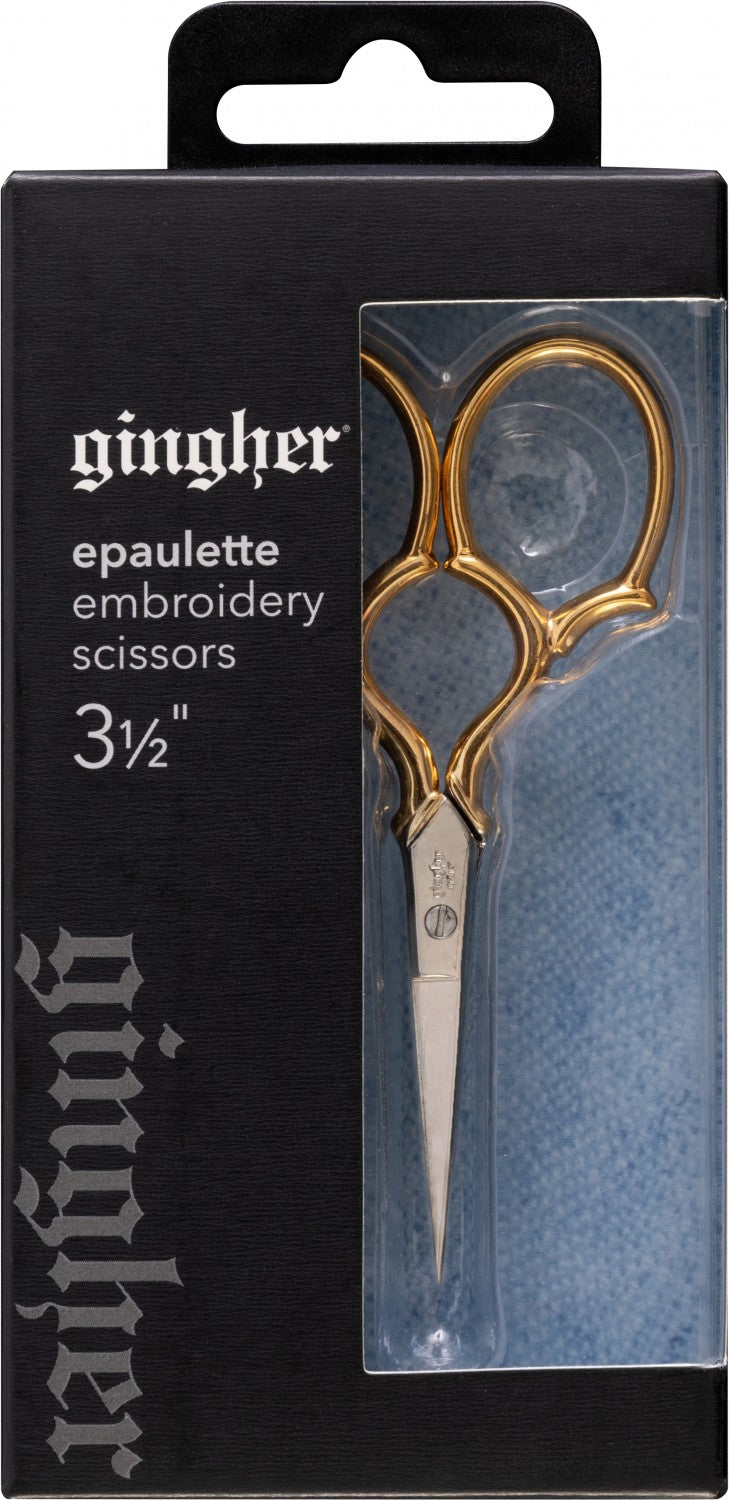
Scissors, Gingher 3.5 inch Epaulette Embroidery - Gold Handle
Sale price$ 24.95
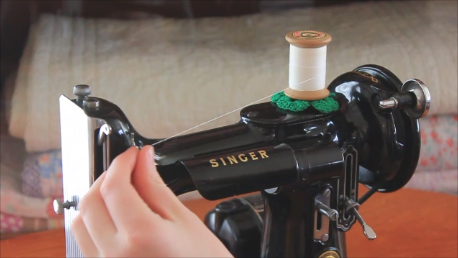
learning
How to Thread a Singer Featherweight
Is your machine skipping stitches, or looping strangely after it was sewing just perfectly moments before? Most all stitch problems on a Singer Featherweight have to do with the way it is threaded. Unlike most modern machines and even a few older Singer models, the Featherweight 221 & 222...
Read More
historical
Facts & Myths
Singer Featherweight Factsand Some Myths Exposed by Graham Forsdyke Singer Featherweight machines were produced in black, beige/tan and white/green (what the company officially called Pale Turquoise). There were no red, blue or any other colour machines although many have been repainted in lat...
Read More